
Accessibility features are no longer optional additions in technology; they have become essential elements that promote inclusivity, ensuring that all users can participate fully in digital experiences. These features cater to individuals with diverse needs, whether they are related to vision, hearing, mobility, or cognitive abilities. By designing with accessibility in mind, platforms and applications create environments where everyone can engage equally, enhancing both usability and social equity. One of the most significant impacts of accessibility features is their ability to remove barriers that would otherwise exclude users from fully interacting with digital content. For example, screen readers enable visually impaired users to access textual content through auditory means, translating written words into speech. Similarly, closed captioning provides a visual representation of audio for individuals who are deaf or hard of hearing, making multimedia content comprehensible to a broader audience. These functionalities not only provide essential support for those with disabilities but also improve experiences for all users in situations where traditional interaction methods may be challenging, such as noisy environments or multitasking scenarios.
Beyond specific tools for disability support, accessibility features often enhance the general user experience. High-contrast modes, scalable text, and adjustable interface layouts benefit users in low-light conditions or those who experience visual fatigue. Keyboard navigation, voice control, and customizable shortcuts facilitate interaction for people with mobility constraints, while also offering convenience for power users or those seeking efficiency. This universality illustrates that accessibility is not just about compliance but about creating flexible systems that respond to individual preferences and situational needs. Platforms that prioritize accessibility demonstrate empathy and forward-thinking, signaling a commitment to inclusion that can improve public perception and user trust.
In educational and professional contexts, accessibility features hold transformative potential. Students with learning differences or disabilities can access materials in formats that suit their cognitive styles, such as audiobooks, text-to-speech, and interactive learning tools. This enables equitable learning opportunities, fostering independence and confidence. Similarly, workplaces that implement accessible technologies, like adaptive software and communication aids, empower employees with diverse abilities to contribute fully to projects, enhancing overall productivity and team cohesion. Such measures help organizations tap into a wider talent pool and foster a culture of inclusivity that extends beyond mere compliance with legal requirements.
Accessibility also intersects with innovation in ways that benefit society broadly. Voice-activated assistants, predictive text input, and AI-powered transcription services were initially designed to assist individuals with disabilities but have become mainstream due to their convenience and efficiency. This highlights how inclusive design can drive technological progress, creating tools that improve daily life for everyone. Moreover, platforms that embed accessibility from the outset reduce the need for costly retrofitting or patchwork solutions, ensuring long-term sustainability and adaptability. Integrating accessibility early in the development cycle aligns with universal design principles, which aim to create environments usable by the widest range of people without specialized adaptation.
Social inclusion is another critical dimension enhanced by accessibility features. Online communities, social media platforms, and interactive applications become spaces where users of varying abilities can engage, express themselves, and collaborate. Accessibility tools such as screen magnifiers, customizable color schemes, and alternative text for images ensure that users with disabilities can participate fully, reducing social isolation and promoting engagement. This inclusive digital participation mirrors the broader societal goal of equality, where technological barriers no longer hinder communication, learning, or creative expression. By facilitating active participation, accessibility features cultivate a sense of belonging and respect, allowing diverse voices to be heard and valued.
Moreover, legal frameworks and international guidelines increasingly mandate accessibility, reinforcing its importance. Compliance with standards such as the Web Content Accessibility Guidelines (WCAG) ensures that digital content meets minimum accessibility requirements, protecting organizations from potential legal challenges while signaling ethical responsibility. However, going beyond compliance to proactively integrate accessibility features demonstrates a deeper commitment to human-centered design, one that prioritizes dignity, autonomy, and equal opportunity for all users. Organizations that adopt this philosophy often see enhanced user satisfaction, loyalty, and engagement, as users recognize and appreciate the effort to accommodate diverse needs.
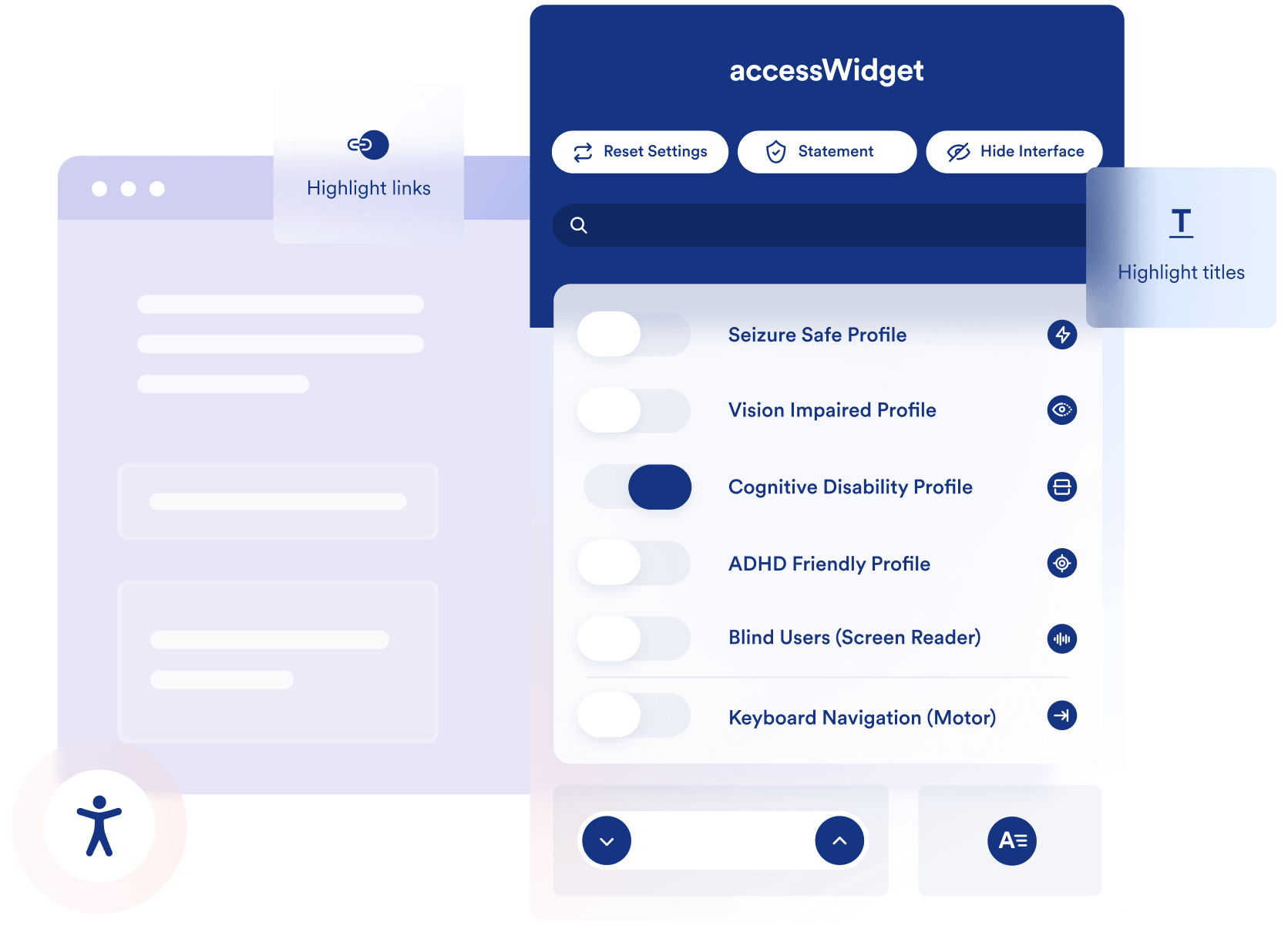
Accessibility features also support cognitive diversity, catering to users with varying learning styles, memory capacities, and processing speeds. Tools such as simplified interfaces, adjustable pacing, and guided navigation help users understand complex information more easily, fostering comprehension and reducing frustration. By addressing cognitive accessibility, platforms not only serve individuals with specific neurological or learning differences but also improve usability for users under stress or time constraints. This holistic approach acknowledges that inclusion is multifaceted, encompassing visual, auditory, physical, and cognitive dimensions.
Ultimately, accessibility features are instrumental in creating a digital landscape that values equity and inclusivity. They transform technology from a potential barrier into a bridge, connecting people regardless of ability or circumstance. By offering multiple ways to perceive, navigate, and interact with content, these features empower users to participate fully in online life, from education and work to social engagement and entertainment. The benefits extend beyond those with disabilities, enhancing overall usability, convenience, and satisfaction for all users. As technology continues to evolve, prioritizing accessibility is not just a moral imperative; it is a strategic approach to innovation, engagement, and societal progress, ensuring that digital experiences are welcoming and functional for everyone, everywhere.

Leave a Reply