Education plays a crucial role in shaping the decisions individuals make across every aspect of their lives. Its influence extends far beyond the simple acquisition of facts and figures; it equips people with the cognitive tools necessary to analyze situations, understand consequences, and act with intention rather than impulse. By fostering critical thinking, encouraging problem-solving, and cultivating awareness of context, education empowers individuals to make smarter, more informed choices that align with their personal goals and societal expectations.
One of the primary ways education enhances decision-making is by developing critical thinking skills. Critical thinking allows people to assess information objectively, recognize biases, and weigh evidence before drawing conclusions. In everyday life, this skill translates into the ability to evaluate options carefully rather than succumbing to immediate impulses or persuasive rhetoric. For example, someone with a strong foundation in critical thinking may approach financial decisions, such as investing or budgeting, with a systematic analysis of risks and rewards, rather than relying solely on intuition or hearsay. This analytical framework, cultivated through formal and informal educational experiences, reduces the likelihood of costly errors and poor judgment.
Education also fosters problem-solving abilities, which are indispensable for navigating complex and unpredictable situations. In both professional and personal spheres, challenges rarely present themselves with clear, straightforward solutions. An educated individual has been trained to identify the root causes of problems, explore multiple strategies, anticipate potential obstacles, and implement solutions with flexibility. This approach promotes smarter choices because it emphasizes strategic thinking over reactive behavior. Whether it involves managing a team at work, negotiating a contract, or addressing a family matter, problem-solving skills help individuals navigate uncertainty with confidence and precision.
Furthermore, education enhances knowledge across diverse domains, enabling people to make choices informed by a broad understanding of the world. Exposure to subjects such as history, economics, science, and literature provides context for decision-making by illustrating patterns, consequences, and ethical considerations. For instance, understanding historical events can prevent individuals from repeating mistakes, while knowledge of scientific principles can guide health and lifestyle choices. An informed perspective allows people to anticipate the outcomes of their actions, consider long-term implications, and align decisions with values that matter to them.
Education also cultivates emotional intelligence, a critical yet often overlooked factor in making wise choices. Emotional intelligence involves the ability to recognize, understand, and manage one’s own emotions, as well as to empathize with the emotions of others. These skills are crucial in decision-making because emotions influence judgment, sometimes subtly and sometimes profoundly. Individuals with high emotional intelligence can navigate social interactions more effectively, resolve conflicts constructively, and make choices that balance personal desires with relational and ethical considerations. This nuanced understanding of human behavior supports decisions that are not only rational but also socially responsible.
Another significant aspect is that education encourages the habit of lifelong learning. In a rapidly changing world, the ability to acquire new knowledge and adapt to evolving circumstances is essential for making smart decisions. Lifelong learners are more likely to seek out information, evaluate sources critically, and incorporate new insights into their choices. This adaptability prevents stagnation and ensures that decisions remain relevant and effective over time. Whether it is learning about technological advances, regulatory changes, or emerging social trends, a commitment to continuous education strengthens one’s capacity to act wisely and proactively.
Moreover, education promotes awareness of consequences, both immediate and long-term. By teaching cause-and-effect relationships, probability, and risk assessment, education equips individuals to foresee potential outcomes and mitigate negative impacts. This foresight is particularly valuable in decisions involving health, finance, and interpersonal relationships. For example, someone educated in nutrition and health sciences is better positioned to make dietary choices that support long-term well-being, while a person familiar with financial literacy principles can plan investments that secure future stability. Understanding consequences enhances responsibility, accountability, and prudence in decision-making.
Education also fosters a sense of empowerment, which is foundational to making deliberate choices. When individuals understand their options, the mechanisms behind decisions, and the potential ramifications of different paths, they gain confidence in their ability to steer their own lives. This empowerment reduces susceptibility to manipulation, peer pressure, or external coercion, allowing people to act in alignment with their goals and values. A well-educated individual is more likely to advocate for themselves, negotiate effectively, and pursue opportunities that reflect their aspirations, demonstrating how education translates into agency and autonomy.
Additionally, education shapes ethical reasoning and moral judgment, which are vital components of smart decision-making. Exposure to ethical frameworks, philosophical inquiry, and diverse cultural perspectives encourages individuals to consider fairness, justice, and social impact when evaluating options. Ethical education helps people recognize dilemmas, weigh conflicting values, and choose actions that uphold integrity. In professional settings, this can manifest as transparent business practices; in personal life, it can guide interactions with honesty and respect. Incorporating ethics into decision-making ensures that choices contribute to personal fulfillment as well as the well-being of others.
Collaboration and communication skills, often nurtured through educational experiences, further support intelligent choices. Working with others, sharing perspectives, and engaging in constructive dialogue expose individuals to viewpoints and information they might not encounter independently. This collective insight enhances decision quality, as it allows people to consider a wider range of possibilities, anticipate potential pitfalls, and integrate diverse expertise. Education, by promoting these collaborative skills, encourages individuals to leverage knowledge networks and make choices that are informed, balanced, and considerate of broader implications.
Finally, education instills a mindset of reflection and self-assessment. Smarter choices often emerge from the ability to evaluate past decisions, learn from successes and failures, and adjust future behavior accordingly. Educational settings frequently encourage reflective exercises, feedback-seeking, and critical evaluation, which train individuals to examine their own reasoning processes. This habit of introspection enhances self-awareness and helps identify cognitive biases, habitual errors, or areas requiring improvement. By consistently reflecting on past experiences, individuals can refine their decision-making strategies, ultimately leading to more intelligent and effective choices over time.
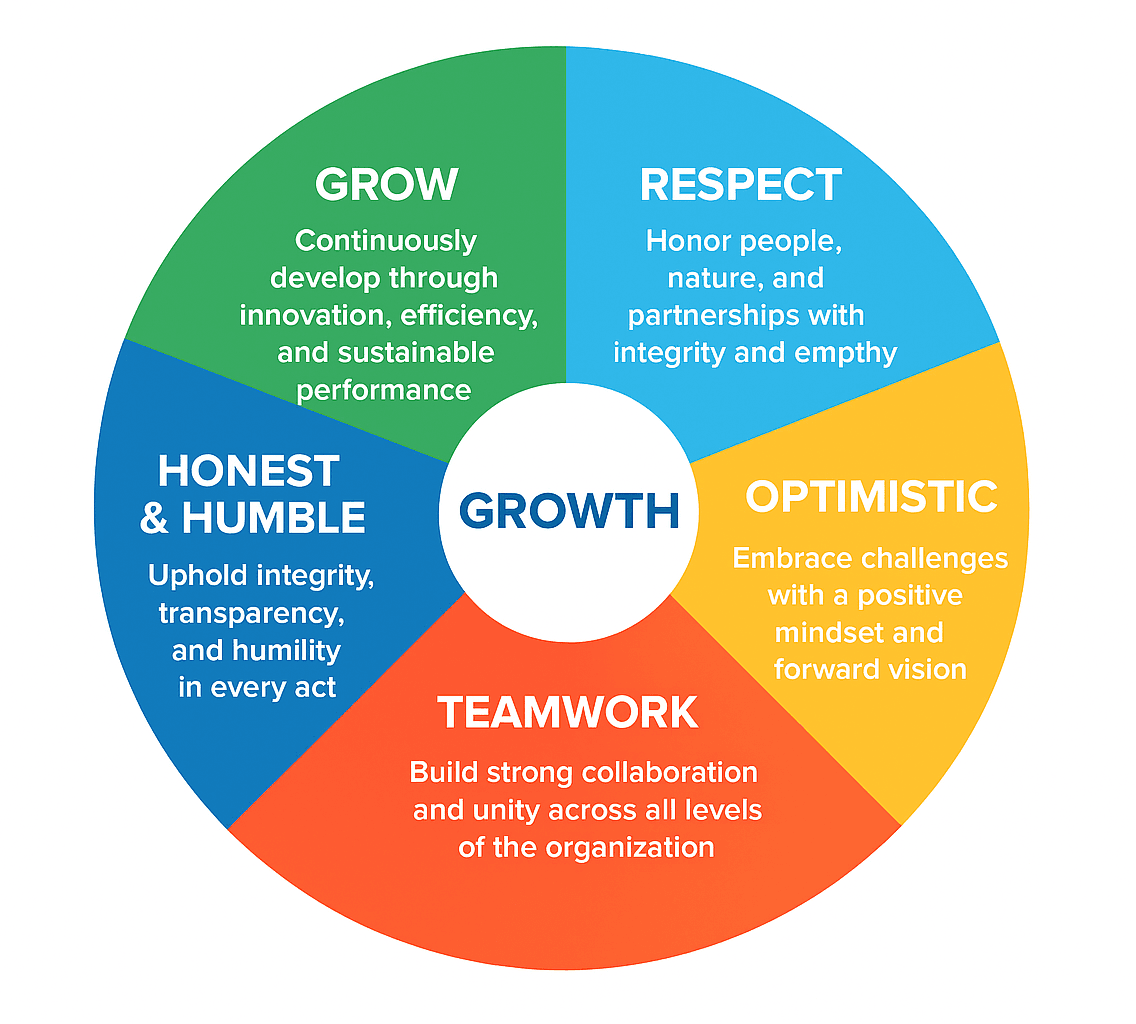
In conclusion, education equips individuals with a multifaceted toolkit that underpins smarter decision-making. Through the cultivation of critical thinking, problem-solving, emotional intelligence, ethical reasoning, knowledge breadth, lifelong learning, collaboration, and self-reflection, education empowers people to approach choices thoughtfully, responsibly, and strategically. The benefits of education are not merely theoretical; they manifest in practical, tangible ways that influence financial security, health, relationships, professional success, and overall life satisfaction. By fostering the ability to analyze, anticipate, adapt, and act with purpose, education serves as a cornerstone for making decisions that are informed, deliberate, and ultimately aligned with personal and societal well-being.